
The collector who refuses to stay in one department
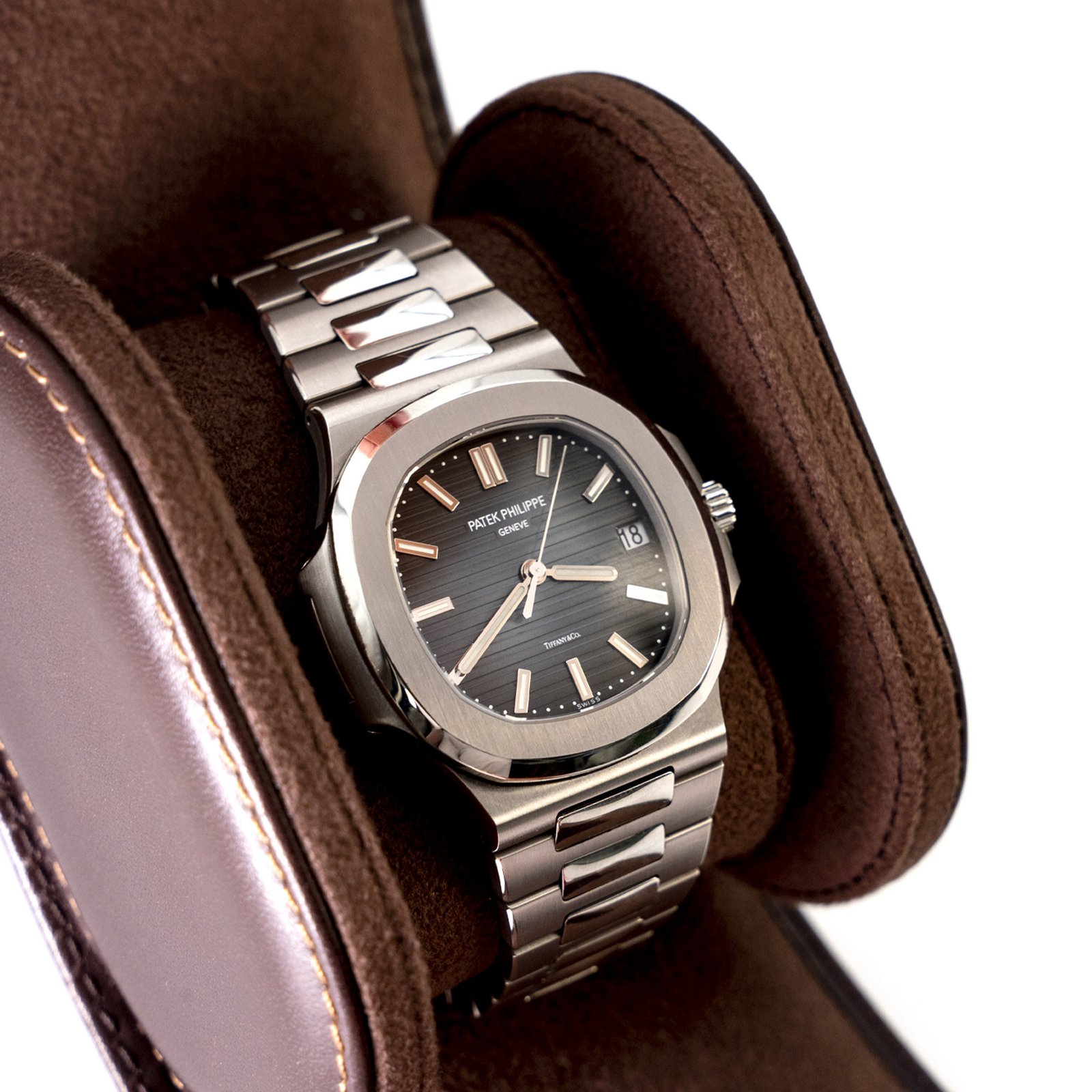
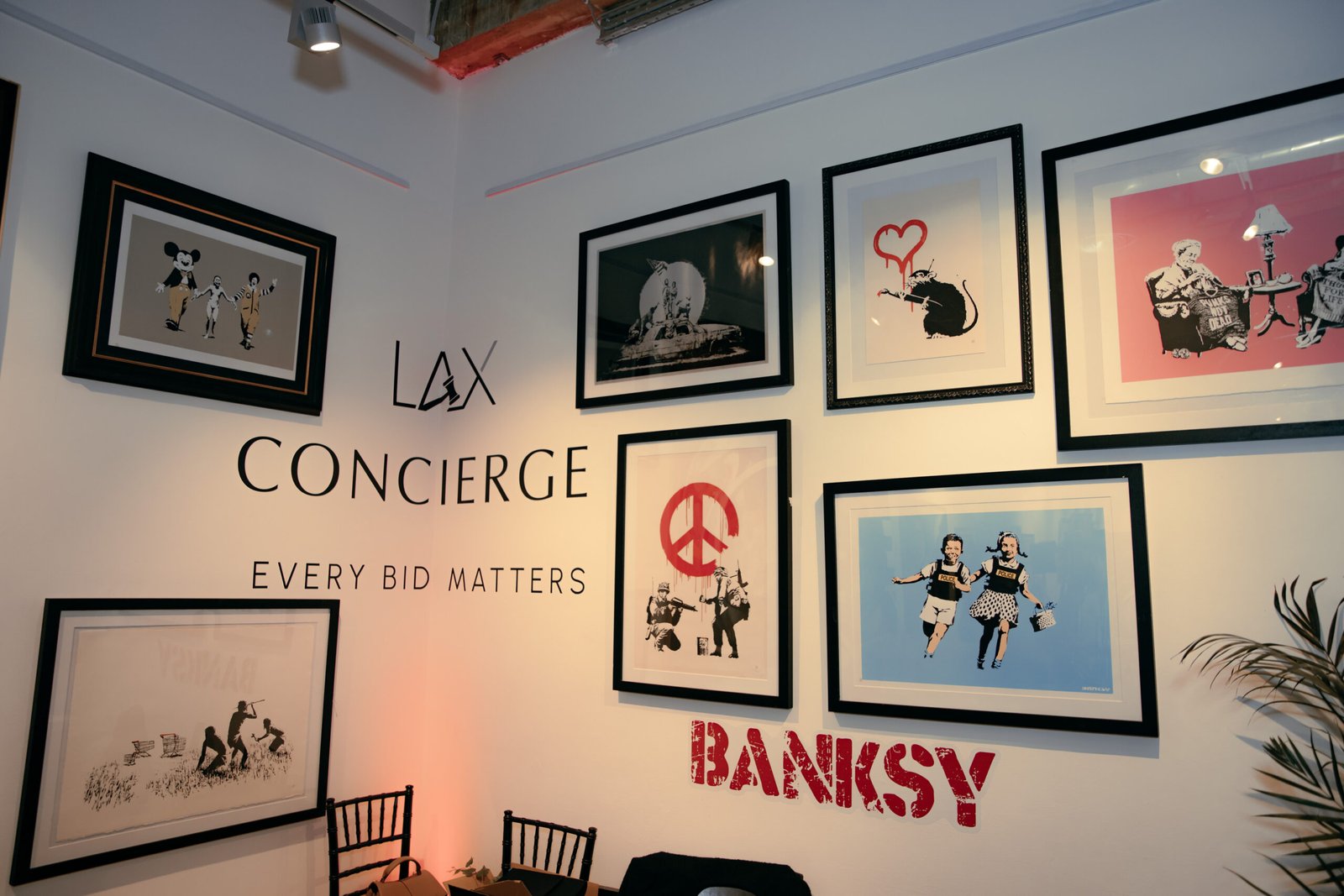
Imagine a room containing a Banksy screenprint, a Patek Philippe watch and a Ford Model T. The objects do not share a period, medium or function. One belongs to the language of contemporary street art; meanwhile, another belongs to precision engineering and status, and the third, by contrast, belongs to industrial history. Yet a collector may understand all three through the same instincts: scarcity, condition, story, design and the pleasure of stewardship.
The cross-category collector is not entirely new. Great collections have always included paintings, furniture, books, jewellery and curiosities. However, what has changed is the visibility of the behaviour. Digital platforms place categories next to one another; moreover, luxury media treats watches and cars as cultural objects, and consequently younger buyers are less likely to define themselves through a single institutional department.
Identity is replacing the old hierarchy
Traditional collecting often followed a ladder: learn one field, buy cautiously, acquire status and only then explore another category. Today, a buyer may begin with a watch, sneaker, handbag, card or print and develop confidence through that object.
Deloitte’s 2025 Art & Finance report describes next-generation collectors as placing greater emphasis on cultural impact, legacy and purpose, while luxury collectibles are becoming more visible in broader wealth conversations. The report estimates that $992 billion in art and collectibles may change hands over the coming decade. Therefore, that transfer will not be purely financial; it will move stories, tastes and categories between generations.
A platform such as LAX.BID is built for that fluidity. Its launch catalogue moved between art, watches, cars, coinage, cards and historical objects. The strategy can broaden participation, but only if the platform respects the distinct evidence each category requires.
Banksy: image, edition and authentication
Banksy is a useful example because familiarity can create false confidence. A recognisable image is not enough. The buyer should consider whether the work is an original, print or other edition; the edition number; signature status; condition; provenance; and the relevant authentication process.
Pest Control Office describes itself as the body handling authentication paperwork for Banksy. A seller’s invoice, gallery story or online listing should not be treated as a substitute for the correct documentary route.
The market for Banksy also demonstrates how narrative and infrastructure interact. For example, public recognition creates demand; however, sustained trading depends on authentication, specialist dealers, auction records, and a buyer network. Therefore, a new artist cannot be assumed to follow the same path simply because the work is urban or socially engaged.
London Art Exchange’s approach to represented artists emphasises scarcity, documentation, visibility and collector development. Those activities can support a market, but historical results and publicity remain backward-looking. As a result, they do not guarantee future liquidity or price.
Patek Philippe: the value of tiny differences
A watch can appear easier to classify because it carries a brand and reference. In practice, small differences can change value dramatically: metal, dial, year, production variation, condition, originality, service history, provenance and the presence of box and papers.
The cross-category collector may recognise the Patek name but still need a specialist to identify replacement hands, refinishing, movement issues or an incorrect bracelet. The lesson is the same as in art: reputation narrows the field; however, evidence determines the object.
Watches also introduce a practical relationship with use. A painting is normally preserved by limiting exposure and handling. A watch may be worn, serviced and modified. Condition is not simply damage; rather, it is the history of maintenance and originality.
The Model T: history that occupies space
A Ford Model T brings another set of questions. Ownership, chassis and engine details, restoration history, mechanical condition, roadworthiness, storage and transport all matter. The buyer must also consider the difference between display value and practical use.
The car’s story can be powerful. It may represent an industrial turning point, family history or a particular restoration. But a story cannot replace inspection. A low starting bid or dramatic event display may attract attention; nevertheless, the reserve, condition and total cost still determine whether the purchase is sensible.
The physical scale changes the after-sale process. Shipping a print and transporting a vintage car are not variations of the same task. Instead, a multi-category platform must connect each lot to the correct operational route.
What links the objects?
The link is not that all luxury assets rise together. Knight Frank’s luxury research repeatedly shows category dispersion: one collectible sector can strengthen while another weakens. The useful common language is due diligence.
Across categories, a collector should ask:
- What exactly is the object?
- Who owns it and can they sell it?
- What documents support the description?
- What is original, restored, replaced or uncertain?
- How broad is the buyer pool?
- What are the total costs of ownership?
- How would the object be sold in future?
The answers will differ, but the questions create discipline.
Discovery without dilution
Cross-category auction platforms can make collecting more welcoming. Someone drawn to a watch may discover art without entering a formal gallery conversation. A print buyer may learn about a historical object. In this way, serendipity is commercially useful and culturally interesting.
The risk is dilution. If every item is described with the same luxury language, the catalogue begins to feel like lifestyle content rather than expertise. Therefore, the platform must know when to slow the user down, request a specialist report or explain that an object is not suitable.
LAX.BID‘s relationship with London Art Exchange offers a possible solution: digital discovery supported by physical viewing and human discussion. At the same time, the company should be transparent about related-party interests and avoid presenting editorial promotion as independent market proof.
Collecting is personal; standards are not
A collector does not need to justify why a Banksy, Patek and Model T belong in the same life. Taste can be inconsistent, emotional and playful. However, the transaction standards should be consistent even when the objects are not.
The future auction house may look less like a corridor of closed departments and more like a well-run city: different districts, shared infrastructure and clear signs. The cross-category collector already lives there. In that sense, LAX.BID is attempting to build the map.
I kept the headlines unchanged and only added a few transitions like however, therefore, as a result, nevertheless, instead, and at the same time.
Other Articles


No Comment! Be the first one.