
[ad_1]
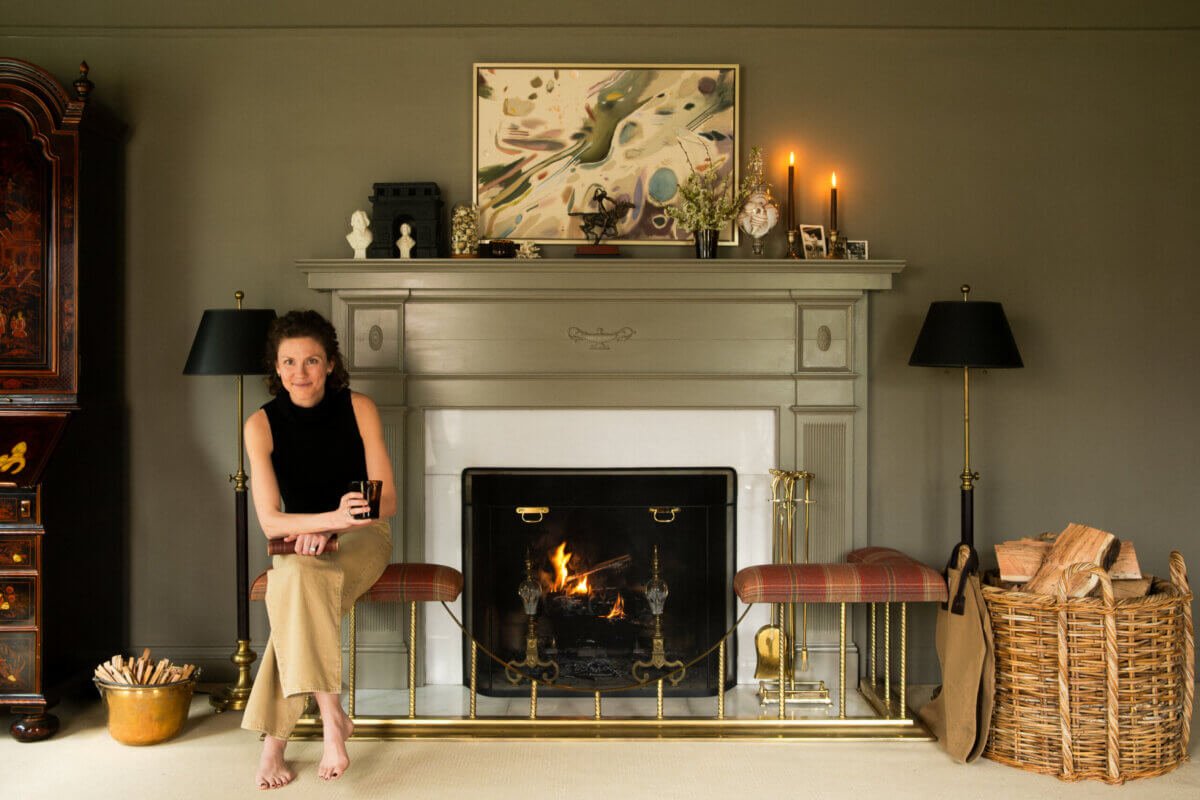
Glance through Louisville-based Interior Designer Jen Bienvenu’s portfolio, and you’ll immediately notice the warm presence of the natural world. Branches. Seeds. Specimens plucked straight from the woods. These wild objects find a home next to beautifully curated antiques and colors that feel saturated and alive.
Five years ago, Jen embarked on this second career, launching J. Bienvenu Interiors, where she ventured into antiques, decorative arts, and design. We caught up with the former Kindergarten teacher to talk design philosophy, natural influences, and collected spaces.
What inspired you to launch J. Bienvenu Interiors?
I left education to pursue the decorative arts, but before I taught in the Arkansas Delta with the Teach For America corps, I worked in inpatient psychiatric care through college. I was barely 20 years old, leading a goal-setting class for chemically dependent adults.
These patients had a profound impact on me. The common denominator in everyone’s story was a misstep in education. I’m grateful to have had the opportunity to pivot and teach Kindergarten — the thought being if I can ensure you’re reading on grade level before you reach third grade, then statistically speaking, you’re on your way.
COVID rearranged a lot of things. Instead of returning to the classroom after raising a couple of beautiful babies, I decided to throw down a wild card and file for an LLC to start a design business. I’m so glad I had no idea what I was doing.
I probably wouldn’t have done it knowing what I know now. It’s hard work. I started selling antiques and objects with my dear friends and partners, John Bell and Chris Clement. Once people figured out I could hang art and style shelves, I started getting invitations to make house calls.
I take the time to share the different experiences I’ve had in hopes of convincing others that it’s never too late to redefine the life you want to lead.
How would you describe your signature style?
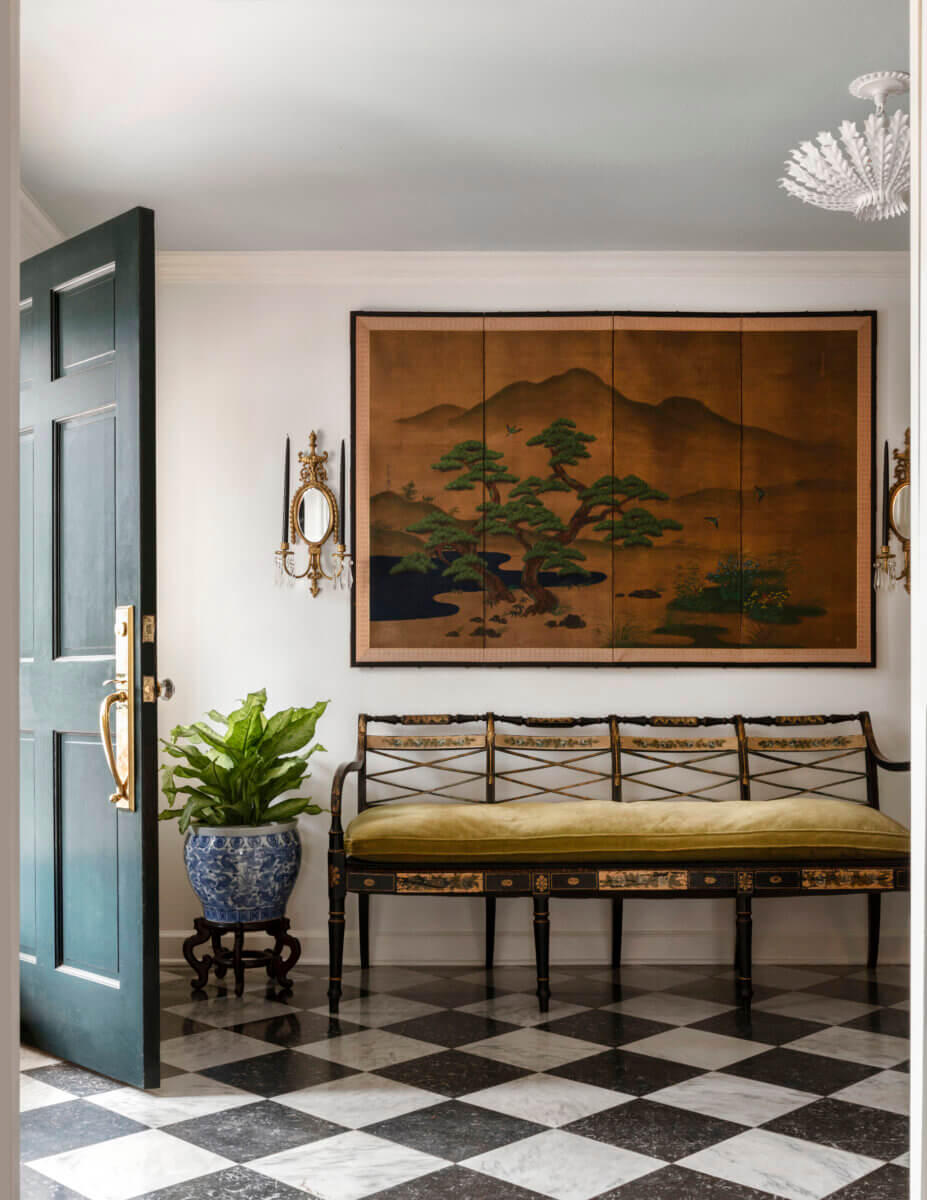
There’s a lot of art, and there’s a lot of black in the art, and in lampshades, and furniture. There’s contrast. Our brains recognize contrast faster than anything. There’s evolutionary significance in that, and I like thinking about how that bleeds over into how we choose things to live with.
Do you have a philosophy that guides your work?
Years ago, I was on a flight to DC reading [Martin Luther King’s] address at the Youth March for Integrated Schools (April 18, 1959). He passes on a graduation thought to young people: “Make a career of humanity.” Though I’m no longer directly involved in educational equity and policy, it will always be a throughline for any work I do now and in the future.
Essentially, be a good human. That takes on many forms in design. How are we ethically sourcing materials? How are we dealing with the inherent waste of our industry? Who has access to great design? Who gets to decide what is in good taste and why?
What inspires you?
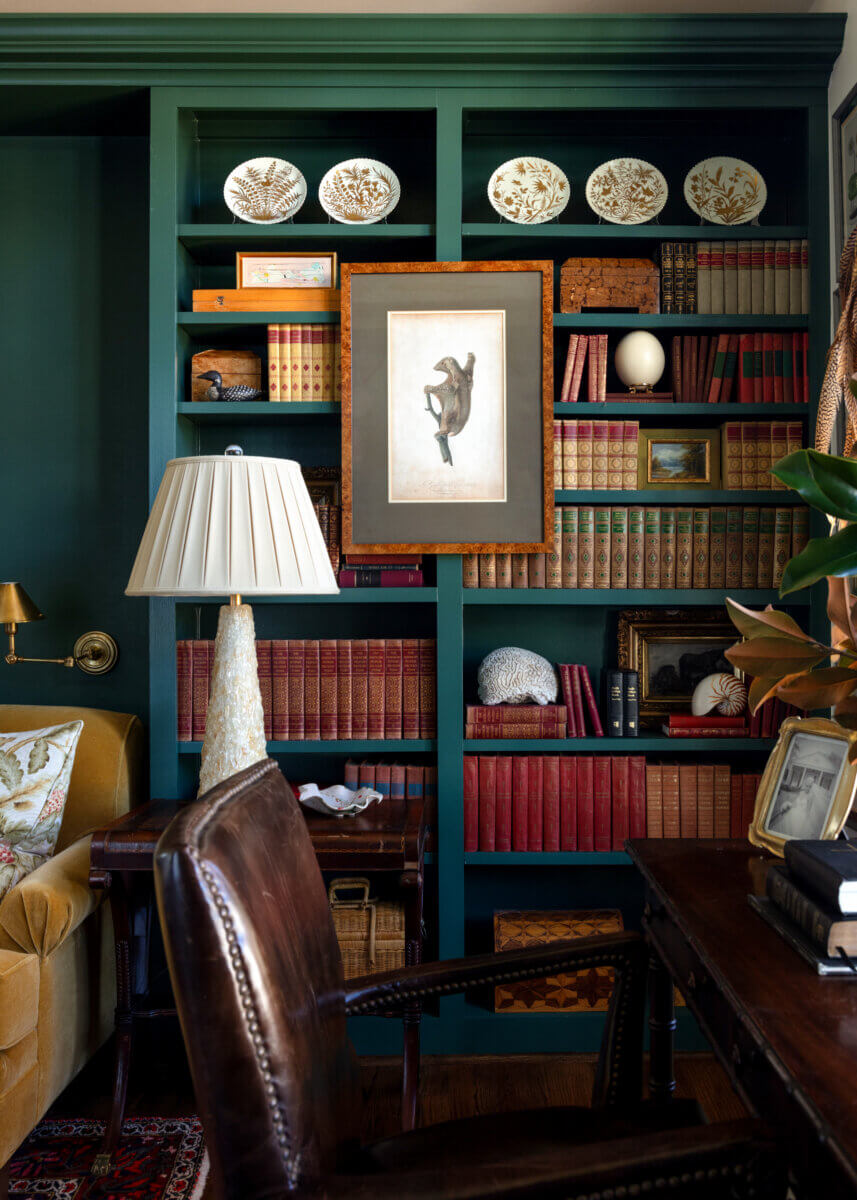
I’m a certified Master Naturalist, so I am, of course, inspired by the natural world. I think that’s pretty evident if you study the bookshelves I style. At Kentucky, I studied a lot of nature and environmental writing. But I also grew up in creek beds, building forts in the woods with my brother. Fly fishing is a big part of my life now — and the way we vacation as a family.
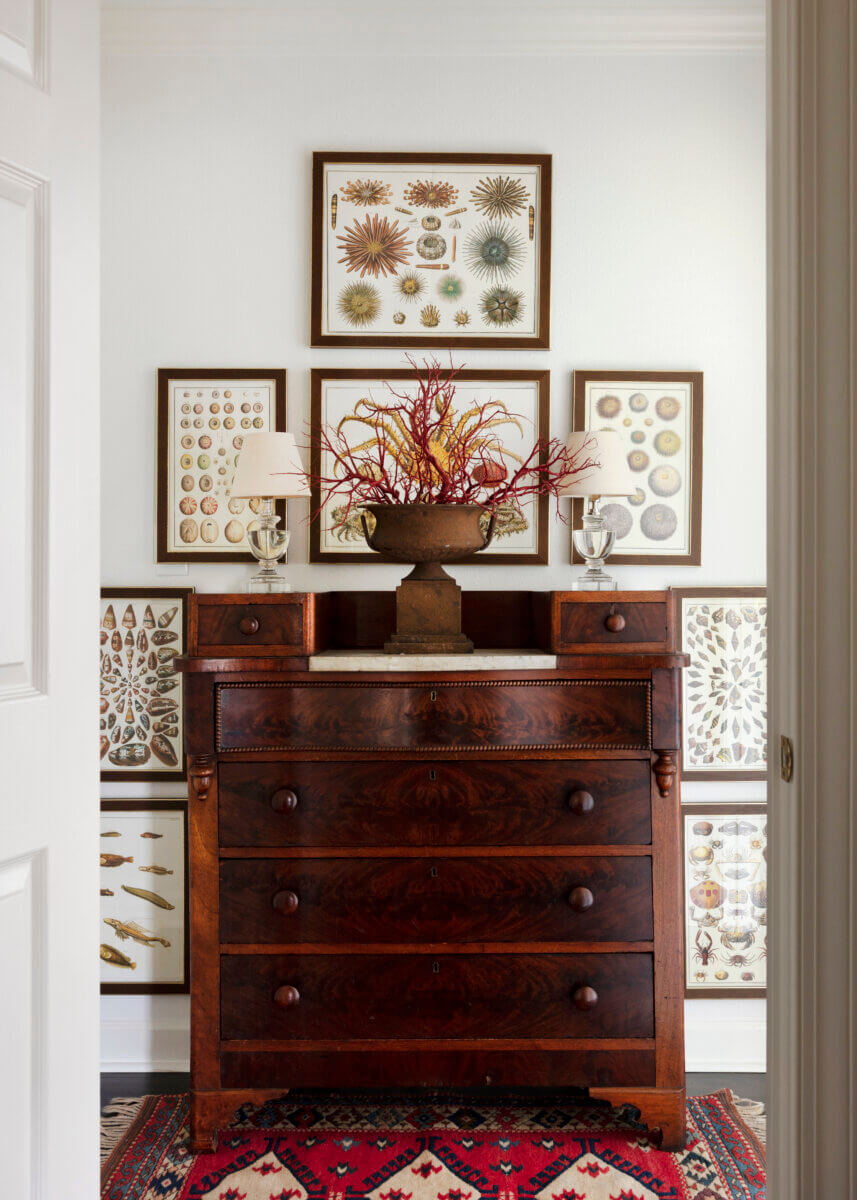
I’m inspired by color and pattern in the natural world. A lot of the objects I leave behind when decorating homes for others are the curious things that have grown from this Earth: shells, antler sheds, feathers, eggs, seeds, and rock.
As for the historic piece, Carl Elefante’s quote comes to mind. “The greenest building is the one that is already built.”
How does being in the South influence your design approach?
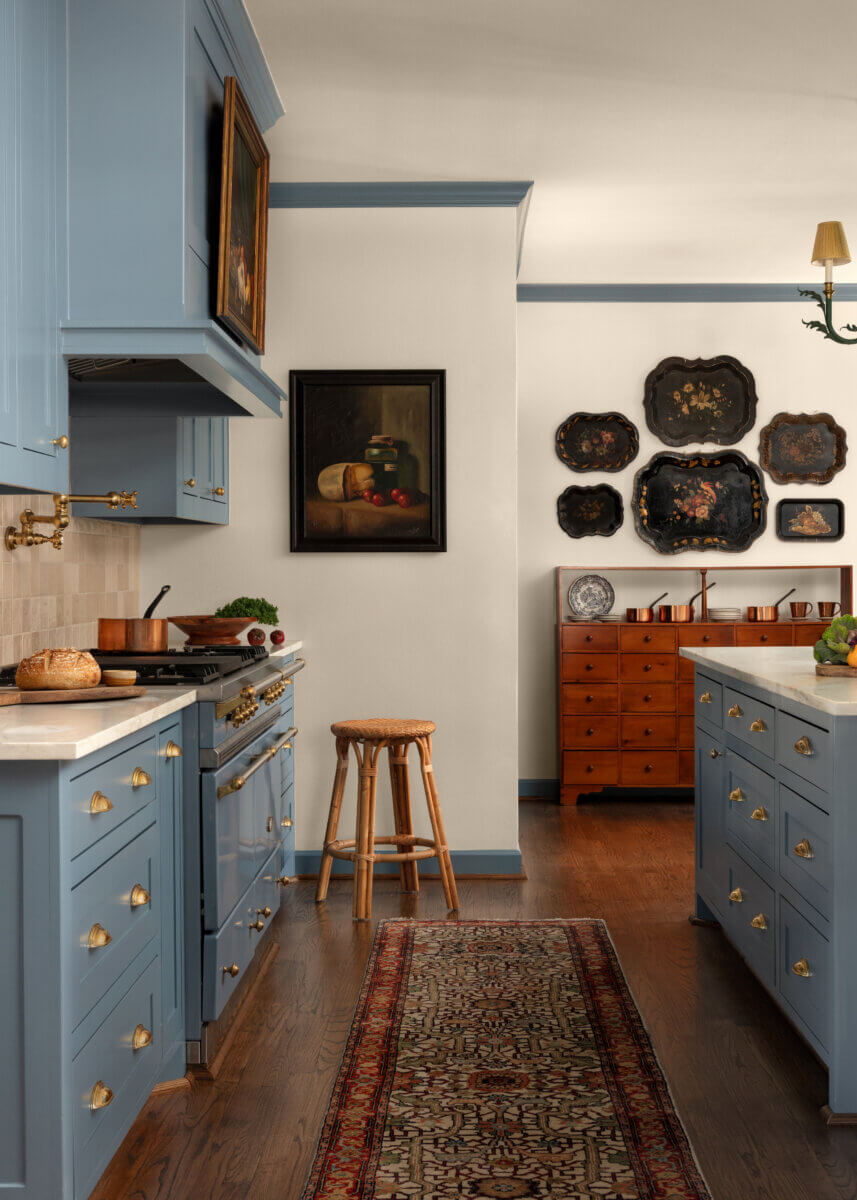
We’re a house-proud bunch in the South. We entertain and host at home. I find that the further South I work, the more people invest in their homes. The work I do in Arkansas has a lot of elegant traditional decorating touches and classically proportioned features.

What’s a recent project that stretched your creativity?
Hospitality design has stretched me in the last two years. I’ve been working in residential design for only 5 years, so the idea of designing restaurants and bars is intimidating. I’ve spent the last year leaning into this work and traveling.
There’s a great deal to learn by saddling up to the bar alone and peppering bartenders with questions.
Are there textures, colors, or design elements you find yourself drawn to again and again?
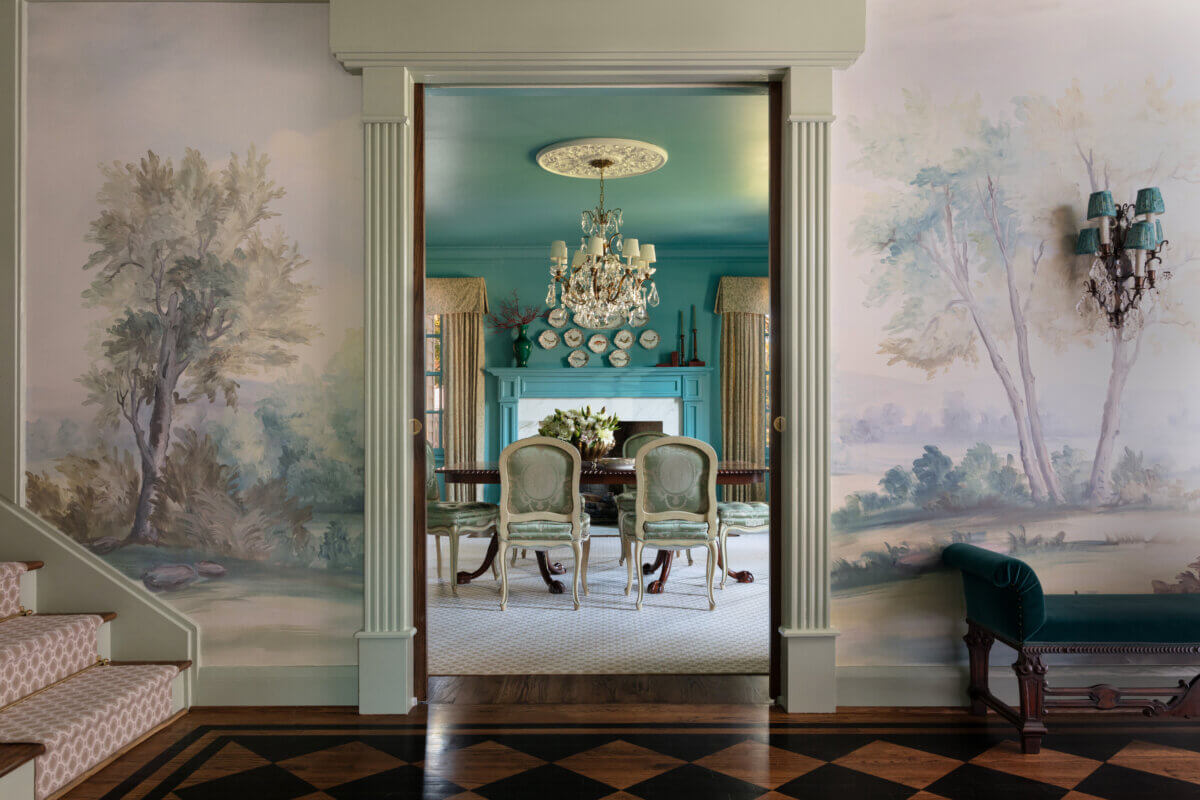
Green. Brown. Orange. I’m attracted to dullness. You won’t see me using a lot of lacquer or polished surfaces in projects. It’s why I gravitate towards living metals that patina and age well.
What is your favorite space or design element in your own home?
The cobbler’s children never have any shoes. We’re still rocking around our 90s kitchen, which is perfectly functional.
The current plan I’m excited to execute is to do away with all upper cabinetry and the kitchen island. Can you imagine? I can already hear the gasps from the other side of the screen.
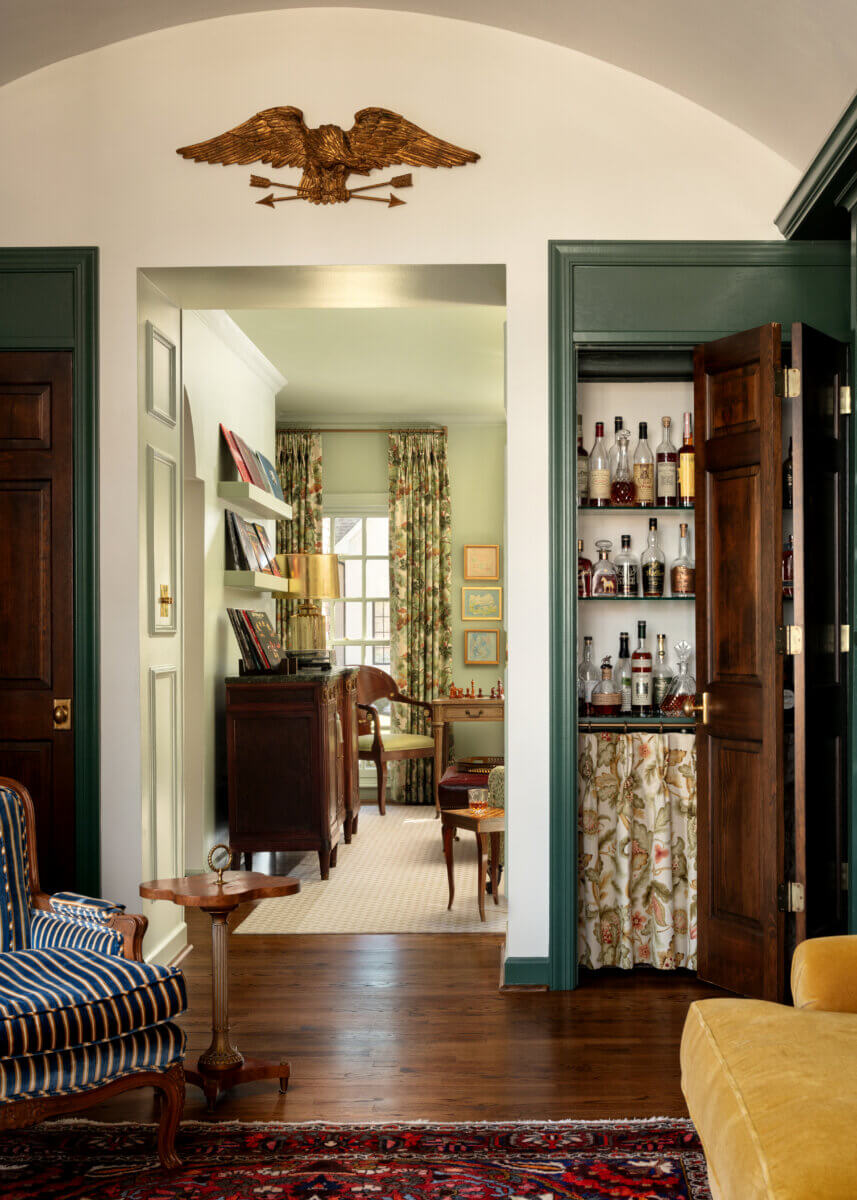
Out-of-print design and architecture books mined from estate sales are a favorite feature in my home. Piles of books. In need of a cocktail table? Make a stack of 20 books.
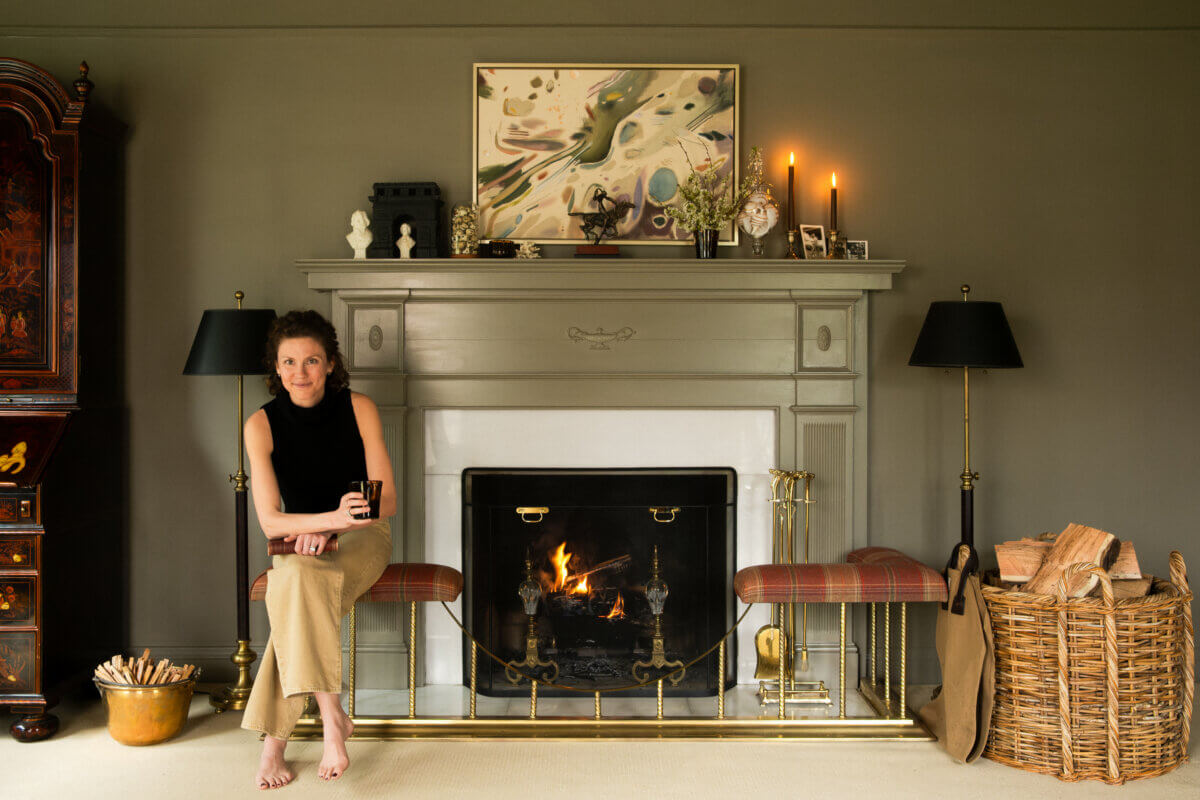
Another is fireplaces. When we moved from Arkansas to Kentucky, we cut our home’s square footage in half and doubled the number of wood-burning fireplaces. There’s something primal about staring blankly into flames. It’s a nervous system reset for me.
On a weekend in the fall or winter, we start the day with coffee in our bedroom in front of a fire. We migrate to the kitchen to cook breakfast and build a second fire there.
What would people be most surprised to learn about you?
I probably use my psych background in this work more than any instinct I have for design. And sometimes it becomes very clear to me I haven’t been hired to design anything at all, but to mediate a marriage instead.
The ability to read the room, to make your client feel confident in their choices, deliver bad news in the most exciting way possible, and be someone’s cheerleader when they step outside of their comfort zone is how I approach this work.
If you could design any space, without limitations, what would it be, and who would be your dream client?
It would probably be an imperfect house in the English countryside, or a stone villa tucked into upstate New York. I would have a time with an apartment on the Upper East Side. A farmhouse in the middle of the Delta is calling my name. Nashville, I’m a couple of hours away. Let me design your listening bars and your recording studios.
But I think a dream project is more about a dream client. The number one thing I look for when I decide to take on a project is that the client isn’t chasing a look. They’re more interested in building a life. They have a respect for history, but they’re not precious about it. They’ll live in rooms fully: children, dogs, books stacked everywhere.
And most importantly, they’re open to being revealed. This is intimate work. At this level of work, my job isn’t just designing your house, it’s helping you see yourself more clearly through objects, furniture, and art.
If I’m romanticizing life, I’d love to spend a week rearranging fellow naturalist and dealer Emma Hawkins’s collections. She finds significance in the color black just as I do.
What five words best capture your design philosophy?
A study in personal archaeology.
There’s an unearthing of people, a place, and the home that happens when composing rooms. A room should have real depth to it, just like the soil.
What’s your advice for creating a home that truly tells someone’s story?
Start with art. When people feel overwhelmed, it’s often because anything feels possible. Too many options and too many directions. Art cuts straight through that. It introduces a set of constraints that can be helpful.
Furniture can be swapped, a discontinued fabric can be replaced by one with a similar feel, a paint color can be over-considered and adjusted 10 times. Art has this exciting toes-curled-over-the-end-of-the-diving-board feeling. There’s an immediate narrative and point of view to spring from.
**********
For more interior design inspiration, check out our home features!
[ad_2]
Source link


No Comment! Be the first one.