
[ad_1]
Ida Shaghoian is a contemporary painter whose work explores the dialogue between memory, emotion, and the natural world. With a style that blends abstraction and realism, her canvases are layered with vibrant color, bold textures, and subtle details that invite viewers to look closer and reflect on their own inner landscapes. Rather than relying on direct representation, her paintings often develop through accumulation, where earlier marks remain visible beneath newer layers. This creates surfaces that feel shaped by time, allowing the viewer to sense both emotional presence and the traces of earlier decisions within a single composition.
Painting has long been associated with storytelling, symbolism, and visual interpretation. Yet in many forms of contemporary art, the process of painting itself has become part of the meaning. Texture, layering, and visible revision are no longer hidden behind polished surfaces. Instead, they become essential to how the work communicates experience.
Within this context, the paintings associated with Ida Shaghoian present texture as something more than a formal quality. Surface becomes a way of expressing emotional complexity, memory, and transformation. Through techniques such as impasto, washes, scraping, and erosion, the paintings develop a sense of depth that extends beyond visual appearance.
Texture Beyond Decoration
Texture is often understood as a physical characteristic of a painting. Thick paint, rough surfaces, or visible brushwork can create movement and visual interest. However, texture can also shape emotional perception.
In many contemporary works, texture carries psychological weight. A smooth surface may feel distant or controlled, while a layered and uneven surface can suggest tension, vulnerability, or change. These material qualities influence how viewers emotionally engage with a painting before they even begin interpreting its imagery.
In the work connected to Ida Shaghoian, texture functions almost like a visual memory system. Each layer contributes to the emotional atmosphere of the composition. The painting does not erase earlier stages of development but allows them to remain partially visible. This creates the feeling that the work contains multiple moments at once.
The viewer experiences the painting as something accumulated rather than immediate. It feels shaped by revision, reflection, and time.
The Role of Impasto in Emotional Expression
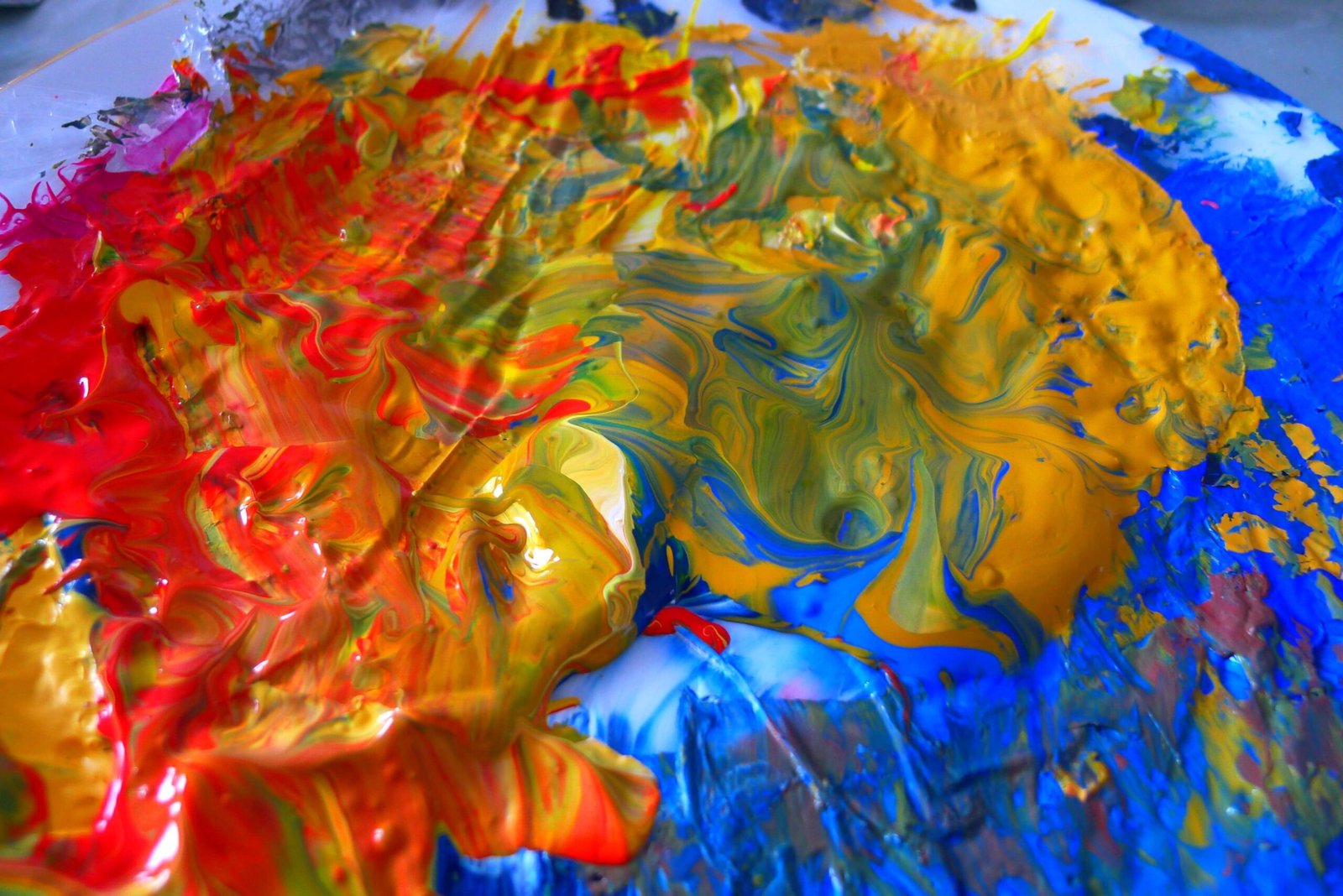
One of the most recognizable techniques used in layered painting is impasto, where paint is applied thickly enough to create physical dimension. These raised surfaces interact with light and shadow, making the painting change subtly depending on viewing angle and distance.
Impasto introduces a strong sense of material presence. It reminds the viewer that the painting is a constructed object rather than a flat illusion. Every ridge and gesture records movement and pressure from the artist’s hand.
In the context of Ida Shaghoian, impasto contributes to the idea that emotion is cumulative. Feelings are not isolated events but layered experiences that continue to influence perception over time. Thick applications of paint suggest persistence and intensity, while overlapping strokes create a sense of emotional density.
This approach allows the painting to communicate through surface alone. Even without narrative imagery, the viewer can sense rhythm, tension, and emotional weight through texture and movement.
Washes and the Atmosphere of Memory
Where impasto introduces density, washes create openness and transparency. Thin layers of diluted pigment soften the surface and allow underlying colors or marks to remain visible.
This contrast between heavy and light applications creates a dynamic visual rhythm. Some areas appear grounded and physical, while others feel distant or atmospheric. These shifts contribute to the emotional complexity of the composition.
Washes are especially effective at suggesting memory. They resemble moments that have faded over time but still influence the present. Earlier layers remain partially visible beneath translucent color, creating the impression that the painting contains traces of past states that cannot fully disappear.
This layered transparency reflects the way memory operates in daily life. Certain experiences lose clarity over time, yet they continue to shape emotional responses and perception. The painting mirrors this process by allowing visual history to remain embedded within the surface.
Scraping, Erosion, and Revision
Another important aspect of layered painting involves removal. Scraping and erosion interrupt the process of accumulation by taking material away rather than adding more.
This can reveal earlier layers, create rough transitions, or expose hidden color relationships beneath the surface. Instead of presenting the painting as a clean progression toward completion, these techniques highlight revision and change.
In Ida Shaghoian’s work, scraping often feels less like destruction and more like discovery. Earlier marks reappear unexpectedly, becoming active parts of the final image. The painting develops through both concealment and revelation.
This process reflects how personal experience is shaped over time. People revise memories, reinterpret events, and uncover emotional connections that were not immediately visible. Meaning evolves gradually through reflection rather than arriving fully formed.
By exposing traces of earlier stages, the painting preserves its own history. The viewer becomes aware not only of what is visible now, but also of what existed before.
Painting as Emotional Archaeology
The idea of emotional archaeology emerges naturally from this layered approach. Archaeology involves excavation, uncovering traces of earlier histories hidden beneath the surface. Layered painting operates in a similar way.
Each visible mark suggests the presence of previous stages that still influence the current image. Even when partially concealed, earlier layers continue shaping the final composition. The surface becomes a record of transformation rather than a fixed endpoint.
This approach changes how viewers engage with the work. Instead of searching only for subject matter or symbolism, they begin reading the painting materially. Scratches, ridges, transparent passages, and exposed layers all become forms of information.
The viewer is encouraged to slow down and notice subtle relationships within the surface. Meaning emerges gradually through observation rather than instant recognition.
In this sense, emotional archaeology is not only about memory. It is also about attention. The painting asks viewers to recognize that complexity often exists beneath what is immediately visible.
The Relationship Between Abstraction and Realism
One reason layered texture becomes so effective is because it exists between abstraction and realism. Completely abstract surfaces can sometimes feel detached from lived experience, while purely realistic imagery may limit emotional interpretation.
By blending abstraction with recognizable spatial qualities, Ida Shaghoian creates paintings that remain open while still feeling grounded. The viewer senses atmosphere, landscape, movement, or memory without being directed toward a single narrative.
This openness allows emotional interpretation to remain personal. Different viewers may connect with different aspects of the work depending on their own experiences and associations.
The layered surface becomes a meeting point between artist and viewer. It holds traces of the artist’s process while leaving space for individual interpretation.
Material Presence in a Digital Culture
The emphasis on texture also carries significance within contemporary visual culture. Much of modern communication takes place through flat digital screens where images are smooth, compressed, and quickly consumed.
Layered painting offers a different experience. Physical texture resists instant readability. It encourages slower looking and closer attention. The viewer becomes aware of depth, surface variation, and material presence in ways that digital imagery often cannot provide.
This tactile quality gives painting a unique relevance in contemporary art. It reconnects viewers with physical process and sensory engagement.
The textured surfaces associated with Ida Shaghoian highlight this relationship between materiality and perception. They remind viewers that art can still function as an object shaped through touch, pressure, revision, and time.
Conclusion
The layered painting techniques explored in Ida Shaghoian’s work demonstrate how texture can become a language of emotional and material experience. Through impasto, washes, scraping, and erosion, the paintings preserve traces of change rather than hiding them.
These surfaces function like emotional landscapes where memory remains active beneath the visible image. Earlier layers continue influencing what appears above them, creating compositions that feel shaped by both presence and history.
By treating texture as a record of lived experience, the work encourages viewers to think about painting differently. Surface is no longer simply decorative. It becomes a space where time, revision, and emotional complexity remain visible.
In a visual culture often dominated by speed and flatness, layered painting offers an alternative rooted in depth, reflection, and material awareness.
[ad_2]
Source link


No Comment! Be the first one.